
How fast can Lowell Porta Pros respond to a disaster?
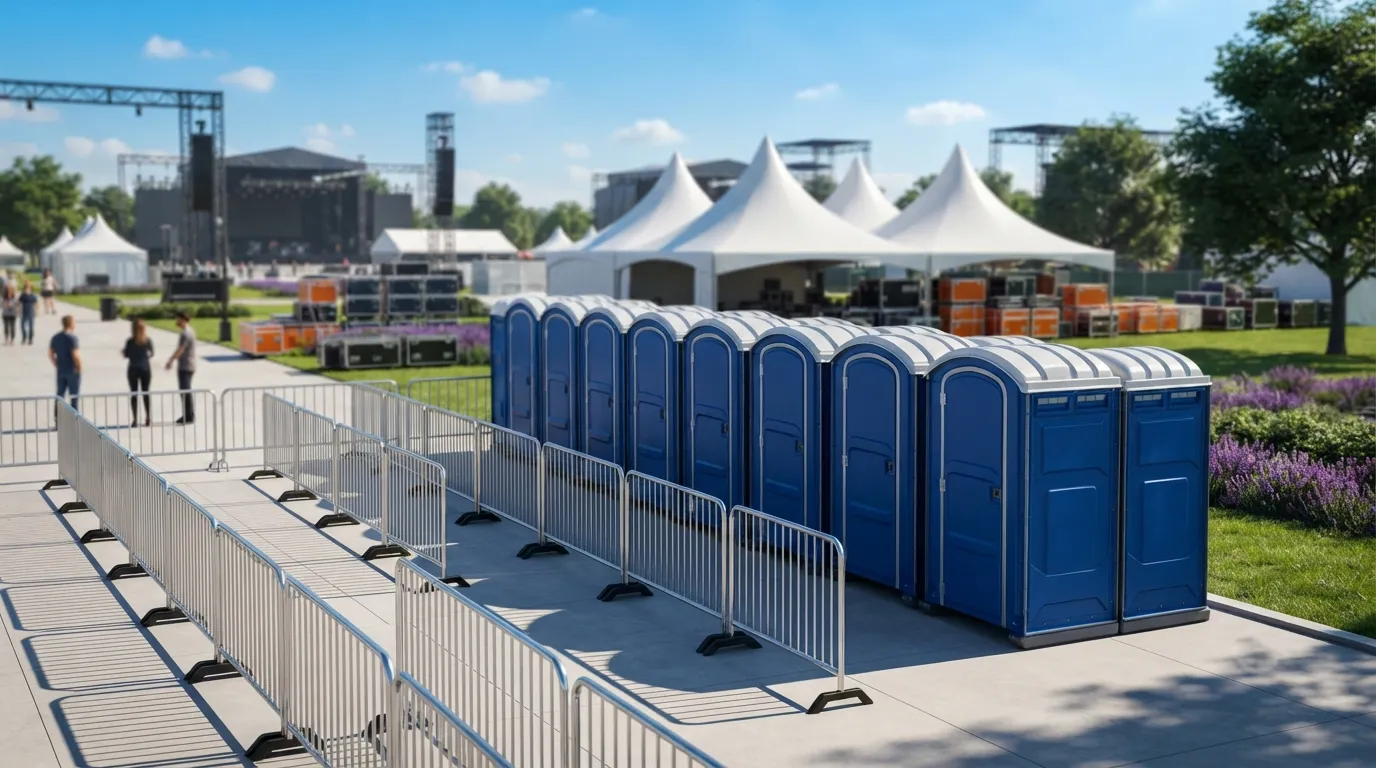
Same-day placement is the target for most calls, and we mean it, not as a slogan but as a dispatch priority. Flooding, storm damage, a burst municipal main, a shelter that suddenly has 200 people in it with no working plumbing: these calls jump the queue. Lowell sits close enough to several towns we already service that trucks and tanks can move fast. Billerica is 9.3 miles southeast, Lawrence is 10.4 miles northeast, and both have equipment we can reroute toward Lowell inside hours, not days. For a shelter or command post, we lean on standard porta potty rental units first because they deploy quickest and need the least site prep. If the location has no accessible entry, or the shelter is serving people with mobility limitations, we pull an ADA accessible porta potty into the first wave too, not as an afterthought. ADA Standards section 213.2 requires that where single-user units are clustered, at least 5 percent, and never fewer than one unit, be accessible. In an emergency shelter that rule does not pause. We also bring handwashing station rental units alongside toilets, because disaster response without handwashing invites a second crisis on top of the first. If the shelter runs for more than a few days, ask about monthly porta potty rental rates instead of paying day rates the whole way through.
What sanitation does a shelter or disaster site actually need?
A shelter needs toilets, handwashing, and often holding tanks if plumbing is damaged, and the count depends on how many people are sheltering, not on square footage. OSHA 1926.51(c)(1) sets a baseline most emergency planners still use as a reference point: 1 toilet for 20 workers or fewer, then 1 toilet seat and 1 urinal per 40 people from 20 up, dropping to one per 50 once you pass 200 occupants. That ratio was written for construction crews, but it is the closest verified benchmark for scaling toilets to headcount, and we use it as a floor, not a ceiling, in shelter settings. If the building's own plumbing is out, a holding tank rental can back up sinks and kitchens that still need to run water somewhere. Potable water matters just as much: OSHA 1926.51(a)(1) calls for an adequate supply of potable water at any place people are working or sheltering, and we treat that as non-negotiable for a disaster site in Lowell, whether it is a school gym or a church basement. Debris removal usually follows close behind sanitation, so we stage roll-off dumpster rental units next to the restrooms once storm cleanup starts, and a 10 yard dumpster rental is often the fastest one to get positioned since it needs less clearance than the larger boxes. If the site has no fencing to keep people away from a damaged structure, we can also run temporary fence rental alongside the sanitation drop, in the same visit.
Should a shelter site plan for more than just toilets?
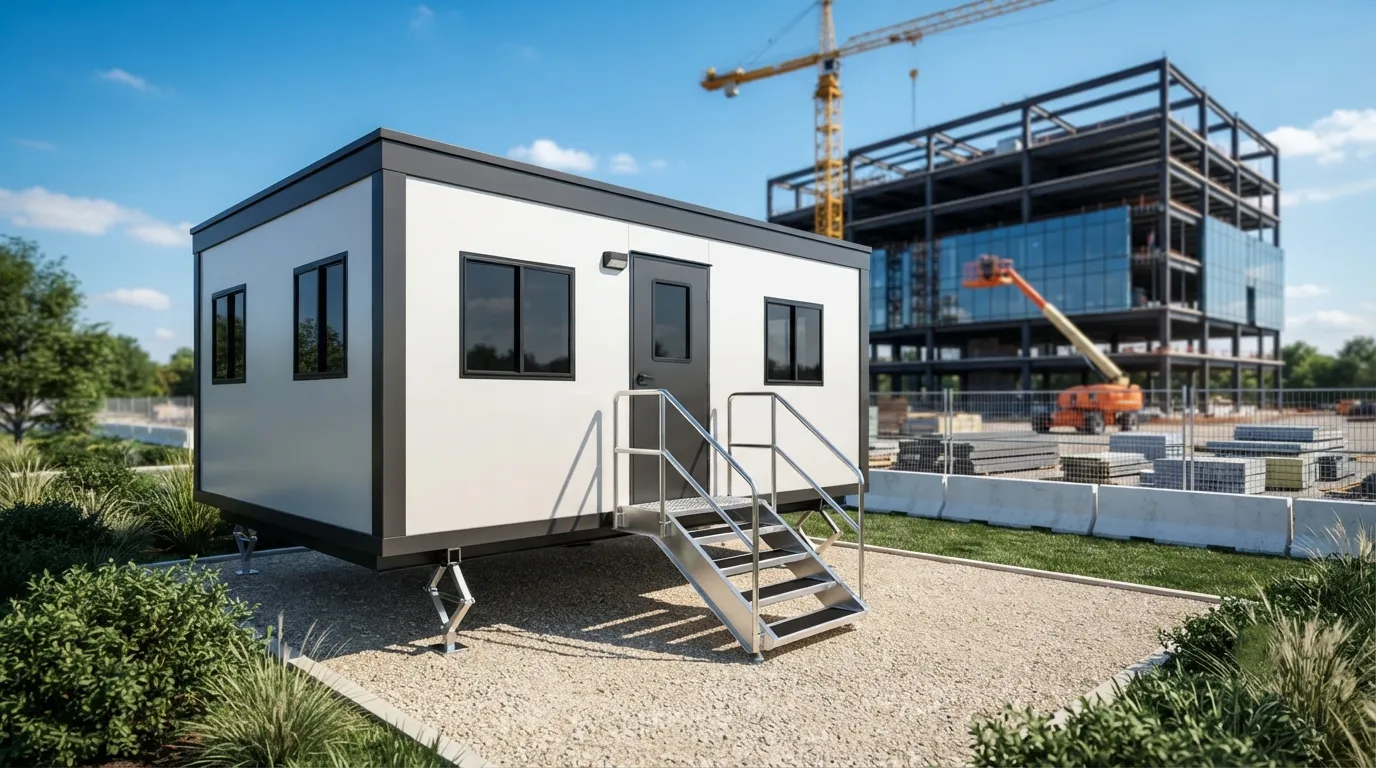
Yes, because a functioning shelter needs light, power, and a barrier between people and hazards just as much as it needs a working toilet. Storm response after dark needs real illumination, and OSHA 1926.56(a) sets minimum lighting intensities for work areas that we use as the standard for staging zones, so a light tower rental often goes out with the first load of restrooms. If generators are running the site, a temporary power pole keeps cords and connections off the ground and away from foot traffic. Housekeeping around a disaster site is not optional either. OSHA 1926.25 calls for scrap and debris to be cleared from work areas, which matters more, not less, when people are moving through a shelter in the dark or in a hurry. If food service is part of the shelter operation, a portable sink rental unit gives kitchen staff a compliant setup, since 29 CFR 1910.141(d)(2) requires washing facilities stocked with soap and towels or a hand-drying device, not hand sanitizer alone. Longer deployments, past the first week or two, often shift toward a restroom trailer rental instead of standalone units, especially if the shelter is sheltering families for an extended stretch. We have handled long-duration setups before and can talk through what makes sense once the timeline firms up. For gear, tools, or donated supplies that need to be locked up, a storage container rental keeps a growing site organized instead of piling everything in a hallway.
How much does emergency sanitation cost in Lowell?
Standard unit day rates run 100 to 350 dollars depending on volume and how fast we need to move, with weekly rates from 130 to 500 dollars if the deployment runs longer. Delivery fees for rush jobs typically land in the 100 to 500 dollar day range. Full pricing detail is on our porta potty rental cost page.
Do you charge more for same-day emergency delivery?
Rush delivery can carry a higher delivery fee than a scheduled drop, generally in the 100 to 500 dollar range for a day dispatch. We will always quote the fee before the truck leaves. Call Lowell Porta Pros directly for an active emergency.
How many toilets does a shelter of 200 people need?
Under OSHA 1926.51(c)(1), 200 or more people need roughly one toilet seat and one urinal per 50 people, so a 200-person shelter needs about four units minimum. We usually recommend padding that number. See how many porta potties do I need for the math.
Can you supply ADA-compliant units for a shelter?
Yes. Any cluster of single-user units needs at least 5 percent accessible under ADA Standards 213.2, never fewer than one. We stock ADA accessible porta potty units for exactly this situation and can prioritize them for the first delivery.
What if the shelter site has no working sewer connection?
A holding tank or trailer unit with its own tank solves that. Our holding tank rental and restroom trailer rental options both run independent of municipal sewer, which matters when storm damage has taken out the connection entirely.
Next step
Get a delivery date
Tell us the address, the dates and the headcount. We size the order and confirm the route.