
Where should a porta potty go on a job site or event?
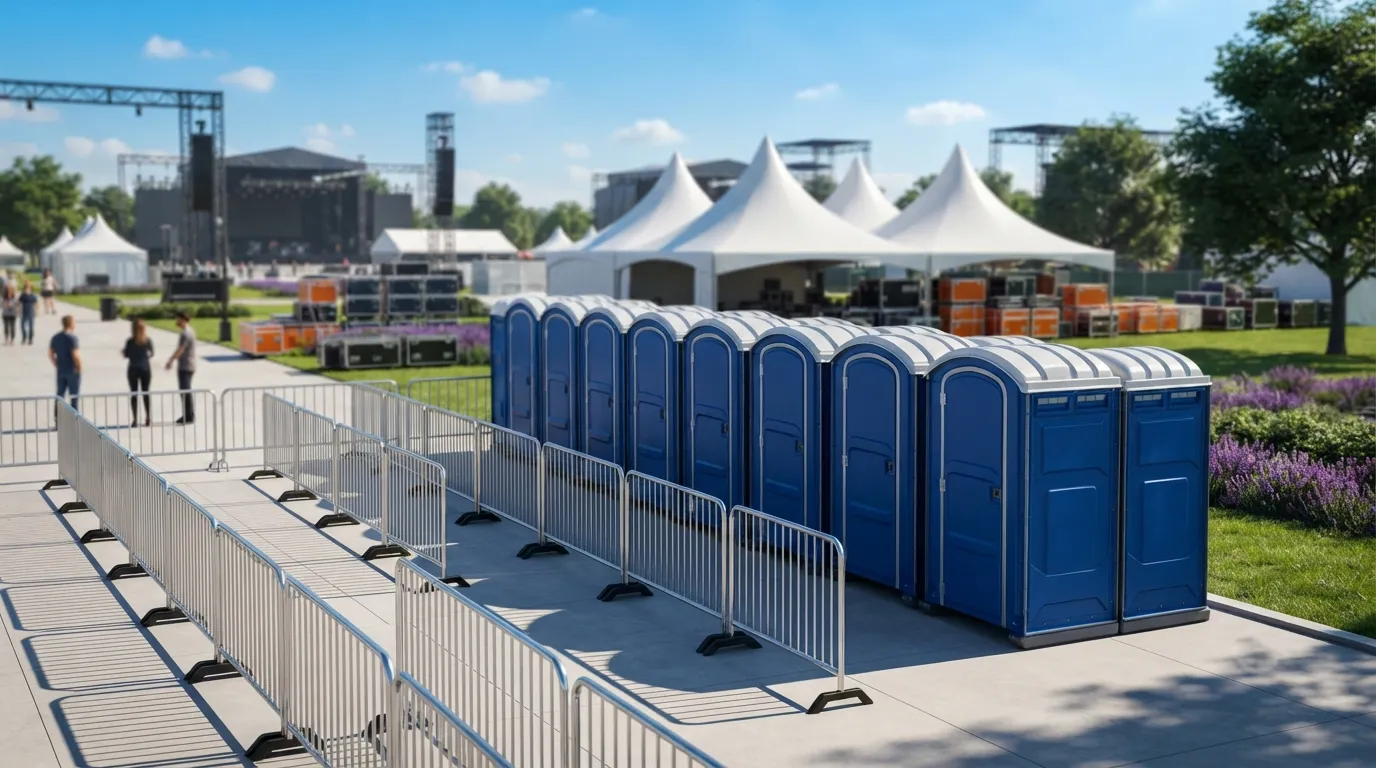
Pick flat, firm ground first. ADA Standards section 302.1 calls for surfaces that are stable, firm and slip resistant, and that rule is worth following even for standard units, since mud and gravel shift under 92 inch tall units in wind. Keep a straight run of about 60 feet clear behind the spot if a roll-off dumpster is sharing the same delivery, since that is what our trucks need to back in safely. On construction sites, follow OSHA 1926.51(c) for how many units you need relative to crew size before you worry about exact spots. For events, our event restroom rental team walks the grounds first, because a golf outing at a Lowell course needs different spacing than a downtown block party. If you are still working out numbers, our how many porta potties do I need guide walks through it. Keep units at least a few feet from doorways and food service, and never block a fire lane. A temporary fence rental around the cluster keeps foot traffic organized at bigger Lowell events.
Do I need a permit to place a porta potty in Lowell?
Placement in the public right of way, on a sidewalk, or in a street lane needs confirming with the City of Lowell before delivery day. We have not verified a specific ordinance number for this, so treat any placement outside private property as a question for the city, not a guess. Our porta potty permit requirements page covers what to ask when you call. The same caution applies to a dumpster placement permit: if your roll-off dumpster rental sits in the street or blocks a curb cut, the city likely wants a permit and a fee, and dumpster placement permit costs vary by municipality, so check before the truck rolls. Private lots, driveways and fenced construction yards are usually simpler. Our construction site services crews handle a lot of these placements around Lowell and can flag anything that looks like it needs a call to the city first, before it becomes a delivery-day problem.
How much clearance does a unit need for service?
Every unit needs enough open path for our tank truck's hose, plus turning room for the driver. A standard unit holds a 60 to 70 gallon tank, and that tank gets pumped on a schedule, typically once a week for lighter use under the ANSI/PSAI Z4.3 baseline of ten users over a 40 hour week. If the spot sits behind a locked gate or down a narrow alley, tell us before delivery so the driver plans the route in Lowell. Accessible units need more than truck clearance. ADA Standards section 213.2 requires at least 5 percent of a cluster of single-user units to be accessible, and never fewer than one, and our ADA accessible porta potty units need a 60 inch turning circle per ADA Standards section 304.3.1 plus a 32 inch clear door opening under section 404.2.3. That is a lot more ground than a standard unit takes. If you are placing a restroom trailer rental instead, plan for a level pad and a nearby power source, since bigger trailers draw real load.
What placement mistakes cause the most problems?
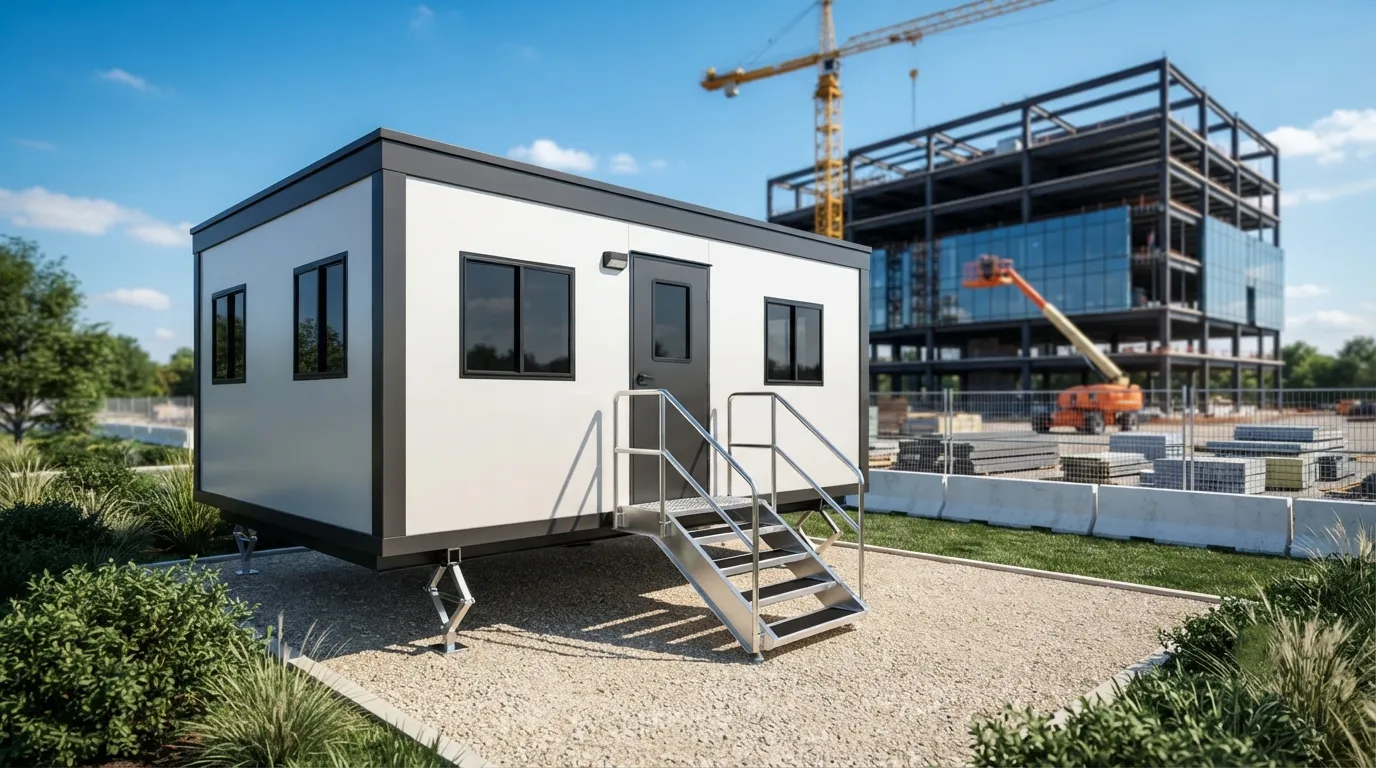
Soft ground tops the list. A unit sinking into wet turf tips, and a tipped unit with 60 to 70 gallons inside is a mess nobody wants to clean up. Second is blocking egress, whether that is a fire lane, an ADA route needing the 36 inch clear width under ADA Standards section 403.5.1, or a loading dock a crew needs all day. Third is placing units too close to food prep, especially if the site also runs a handwashing station rental, since OSHA 1926.51(f)(1) requires washing facilities where workers apply paints, coatings, herbicides or insecticides, and that gear needs its own clean footprint separate from the toilets. Fourth is forgetting winter. A porta potty in winter needs a spot that will not ice over, since a frozen path to the unit is its own hazard. And if a job also involves a mobile office trailer rental, give it separate ground; mobile office trailer replacement doors are a real repair category because units get backed into or wedged in tight yards.
Pricing snapshot for placement-related add-ons
| item | day | week | month |
|---|---|---|---|
| standard unit | $150 | $200 | $200 |
| ADA unit | $185 | $230 | - |
| delivery fee | $100 | $150 | $172 |
| dumpster | $75 | $600 | $650 |
Numbers above are typical rates pulled from measured rental data; your quote depends on duration and site conditions. See porta potty rental cost for the full breakdown, or monthly porta potty rental if you are planning a longer project in Lowell, roughly 9.3 miles from Billerica and 10.4 miles from Lawrence if you are comparing service areas.
Can I move a porta potty myself once it's placed?
Small shifts on flat ground are fine if the tank is not full. Do not drag it across gravel or up a slope steeper than the 1:12 ramp ratio in ADA Standards section 405.2. Call us for anything more than a few feet.
Do I need a permit for a porta potty in my own driveway?
Usually not, since private property placement is far simpler than right of way placement. Confirm with Lowell if your driveway touches a shared easement or sidewalk. Our porta potty permit requirements page has more detail.
What replacement parts come up most for portable sinks?
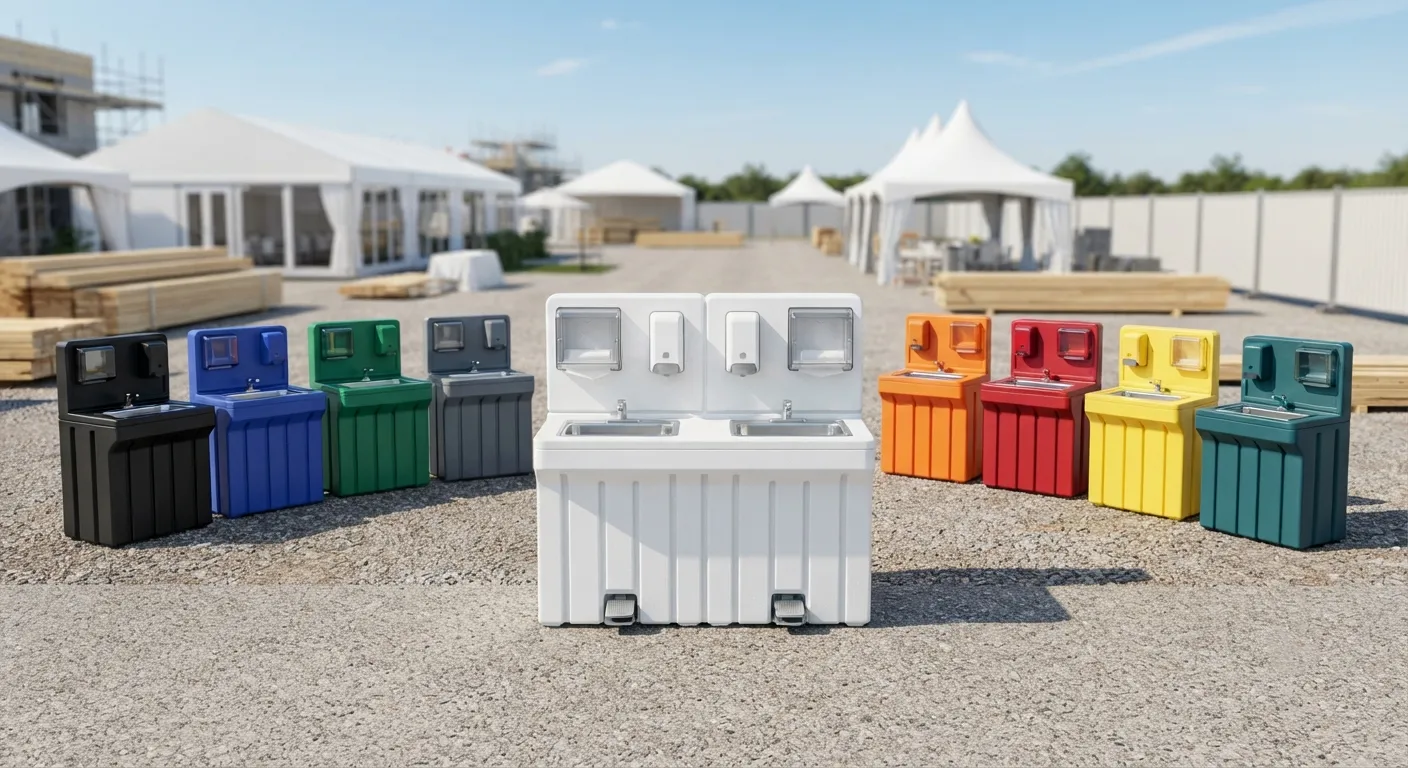
Ozark River portable sink replacement parts, mainly pumps, faucets and basin drains, are the most requested fixes on handwashing units. Ask about stock when you book a portable sink rental so a broken part does not stall your event.
How often does a septic tank need pumping near Lowell?
A typical 1,000 gallon residential tank gets pumped every 3 to 5 years, depending on tank size and household size. See how often to pump a septic tank for specifics, or septic pumping service to schedule one.
Does placement change for an ADA unit versus a standard unit?
Yes. ADA units need a 60 inch turning circle and a 32 inch door opening, both wider than a standard unit's footprint requires. Give the accessible unit a clear, level approach path with no gravel lip or curb in the way.
Next step
Get a delivery date
Tell us the address, the dates and the headcount. We size the order and confirm the route.