
How do porta potties work?
Under the seat sits a holding tank, sealed to keep smell and waste contained. A standard unit measures about 44 by 48 inches on the ground and stands roughly 92 inches tall, so it fits in a driveway, a job site corner, or a parking lot without eating much space. Every visit, the technician pumps the tank, rinses it, and adds fresh chemical, a blue liquid that keeps solids broken down and knocks back odor until the next stop. That chemical is not optional. Skip it and the smell builds fast, especially in July heat around Lowell. For a job site, the standard porta potty rental is the workhorse: no water hookup needed, no power, just a unit dropped where you need it. Service frequency matters more than the unit itself. ANSI/PSAI Z4.3 sets a baseline of one service visit per week for up to 10 users over a 40 hour week, and busier sites need more. If you are staging one for a crew working near Billerica, 9.3 miles southeast, the same pump-and-rinse routine applies no matter the address.
How does a flushable or deluxe unit work differently?
A flushable unit adds a small foot-pump or hand-pump flush that pushes a splash of water into the bowl, which cuts down on what you see and smell compared to a standard unit. It still drains into the same sealed holding tank underneath. The deluxe flushable porta potty usually adds a sink too, sometimes with a soap dispenser and mirror, which makes it a better fit for weddings and office-style job sites than a bare-bones unit. It is still a tank-and-chemical system at its core; the flush just makes the experience feel closer to indoor plumbing. Under [29 CFR 1910.141(d)(2)],washing facilities need soap and towels or a hand-drying device, and hand sanitizer alone does not satisfy that. That is why a handwashing station rental or a portable sink rental with its own small freshwater tank and foot pump often gets paired alongside toilets on a Lowell work site, rather than relying on sanitizer gel clipped to the door.
How does a portable sink work on a job site?
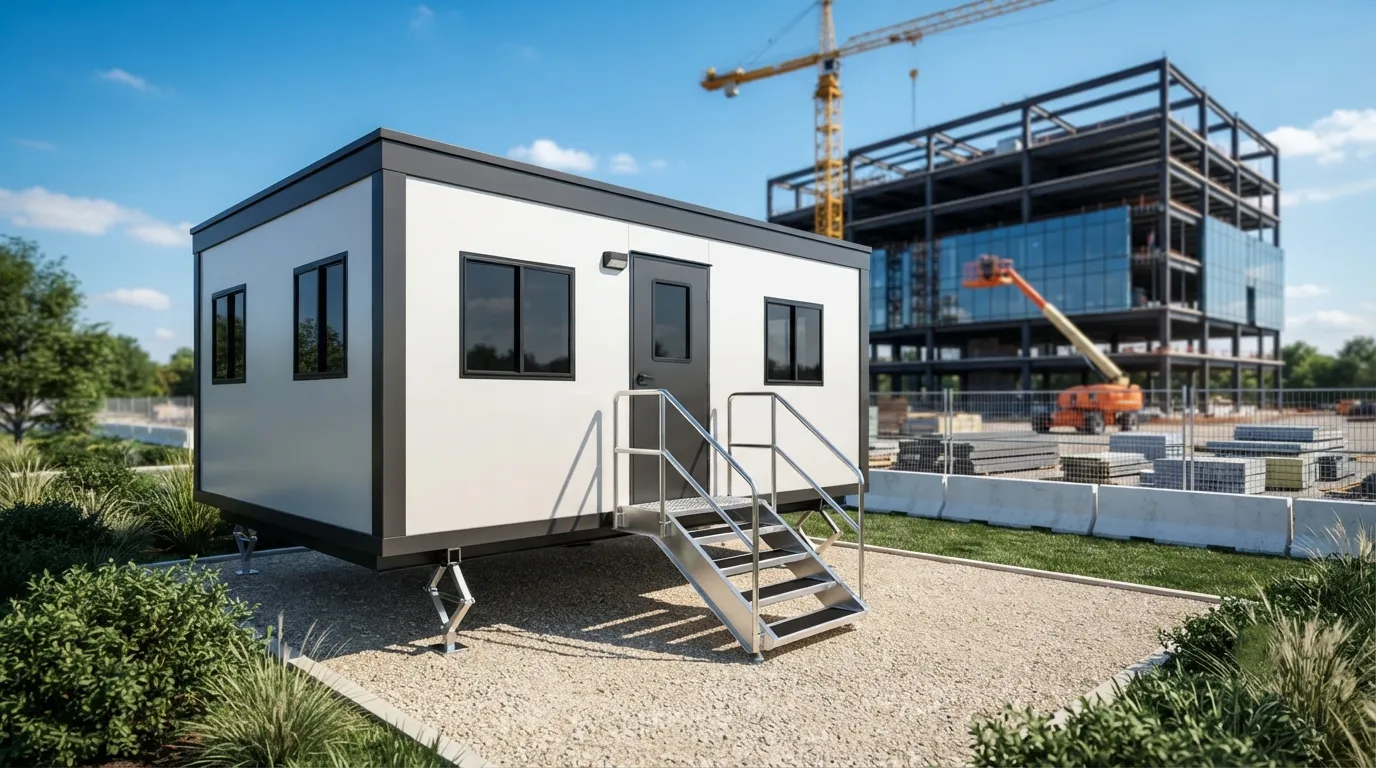
A portable sink runs on its own small freshwater tank, gravity or a foot pump pushes water to the faucet, and gray water drains into a separate holding tank below. No plumbing hookup required, which is why they pair well with porta potties on sites without water access. For a construction worker running to a porta potty between tasks, having a sink nearby matters for more than comfort. OSHA 1926.51(f)(1) requires washing facilities specifically where workers apply paints, coatings, herbicides or insecticides, so a framing crew has different obligations than a crew spraying sealant. Beyond that specific trigger, OSHA 1926.51(c)(1) sets the baseline toilet ratio: one facility for 20 workers or fewer, one toilet seat and one urinal per 40 workers once you pass 20, and one per 50 once a site hits 200 workers. Figuring out how many units a Lowell job needs starts with that headcount; the how many porta potties do I need guide walks through the math, and the OSHA portable toilet requirements page covers the full ratio table.
Do camping porta potties work the same way?
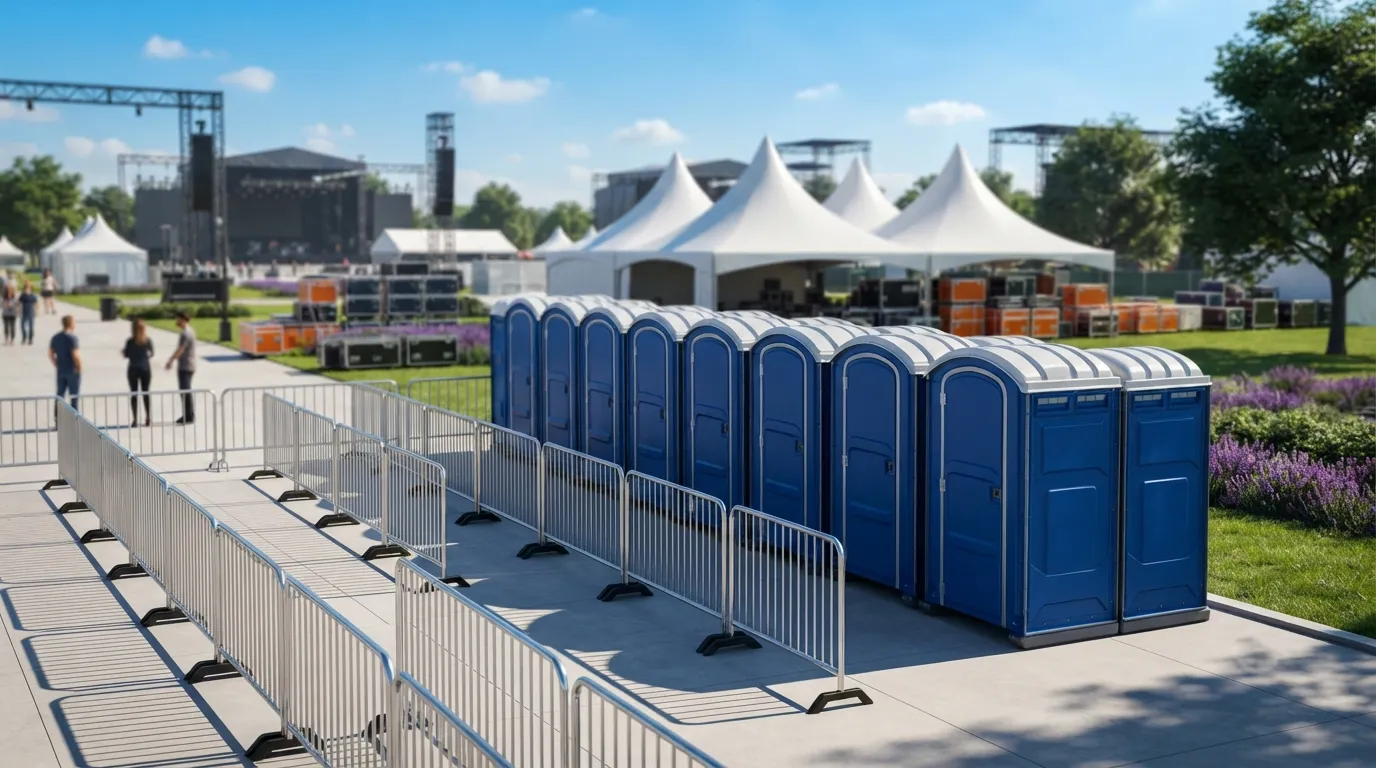
Yes, same tank-and-chemical system, just smaller and sometimes self-contained for a family or a small group rather than a crew. Camping units still need that same deodorizing chemical to control odor since there is no water line and no sewer connection at a campsite. For a weekend trip, a camping porta potty works the same way a job site unit does: sealed tank, chemical treatment, service or swap-out when the tank fills. If you are hosting an outdoor event instead, the sizing question shifts from headcount to hours; the event restroom rental and festival restroom rental pages cover that math separately from the OSHA construction ratios.
Renting for a weekend in Lowell runs in a fairly tight band once you compare a standard unit against a small ADA-accessible unit.
| unit | weekend rate |
|---|---|
| standard | $125 to $400 |
| ada | $199 to $300 |
For day rates, week rates and monthly numbers side by side, the porta potty rental cost page breaks it down further, and the monthly porta potty rental page covers longer jobs. Placement matters too. ADA Standards section 403.5.1 calls for a 36 inch clear route to the unit, and section 213.2 requires that at least 5 percent of clustered single-user units be accessible, never fewer than one. The ADA accessible porta potty page and porta potty placement guide go deeper on where units can sit on a Lowell lot or sidewalk.
How often does a porta potty get serviced?
Weekly is the baseline for light use, per ANSI/PSAI Z4.3, but busy construction sites or multi-day events often need two or three visits a week. Lowell Porta Pros sets the schedule based on headcount and hours on site. See how often are porta potties cleaned for the full breakdown.
What chemical goes in a porta potty?
A blue deodorizing liquid, added at each service visit, breaks down waste and controls odor between pump-outs. It is not the same as septic tank cleaning chemicals used in a home system. Ask about septic pumping service if you are dealing with a residential tank instead.
Do porta potties smell if serviced on schedule?
Not much, if the chemical is fresh and the tank is not overfilled. Odor complaints almost always trace back to a missed service visit or heavy overuse beyond the unit's rated capacity. Full detail is on do porta potties smell.
Can a portable sink replace a handwashing station on a job site?
Sometimes, but check what triggered the requirement first. OSHA 1926.51(f)(1) covers washing after paint, coatings, herbicides or insecticides specifically, so confirm your crew's tasks before assuming a basic sink covers it.
Is placement in a Lowell street or sidewalk allowed?
That needs confirming with the city before delivery day. Right-of-way placement rules vary, so check with Lowell before locking in a spot; see porta potty permit requirements for what to ask about.
Next step
Get a delivery date
Tell us the address, the dates and the headcount. We size the order and confirm the route.